A Smile for Your Day!
15 years ago

Stanley :)


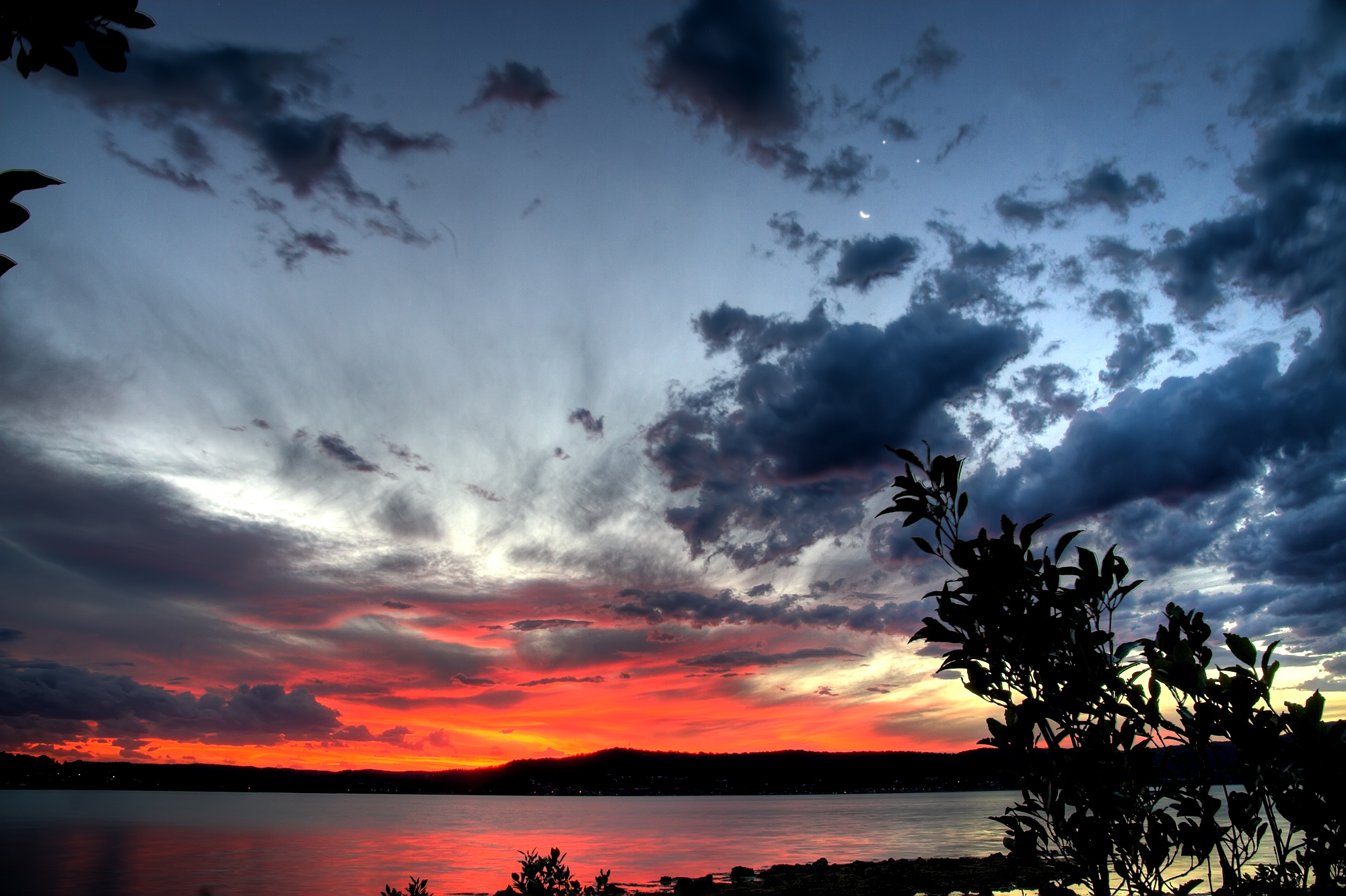
This western sky shows off stunning colors and dramatic clouds reflected in Brisbane Water on the Central Coast of New South Wales, Australia. It also featured the remarkable conjunction of the crescent Moon, Venus, and Jupiter forming a twilight smiley face. While the gathering of the two bright planets and Moon awed skygazers around planet Earth, astronomer Mike Salway reports taking special pains to record this gorgeous view, braving mosquitos and rain squalls along a soggy shore. His southern hemisphere perspective finds brilliant Venus at the highest point in the celestial grouping.
Go here to see a larger picture of this so you can see God's "smiley face":
http://apod.nasa.gov/apod/image/0812/smileyfaceatsunset-2000px-mikesalway.jpg


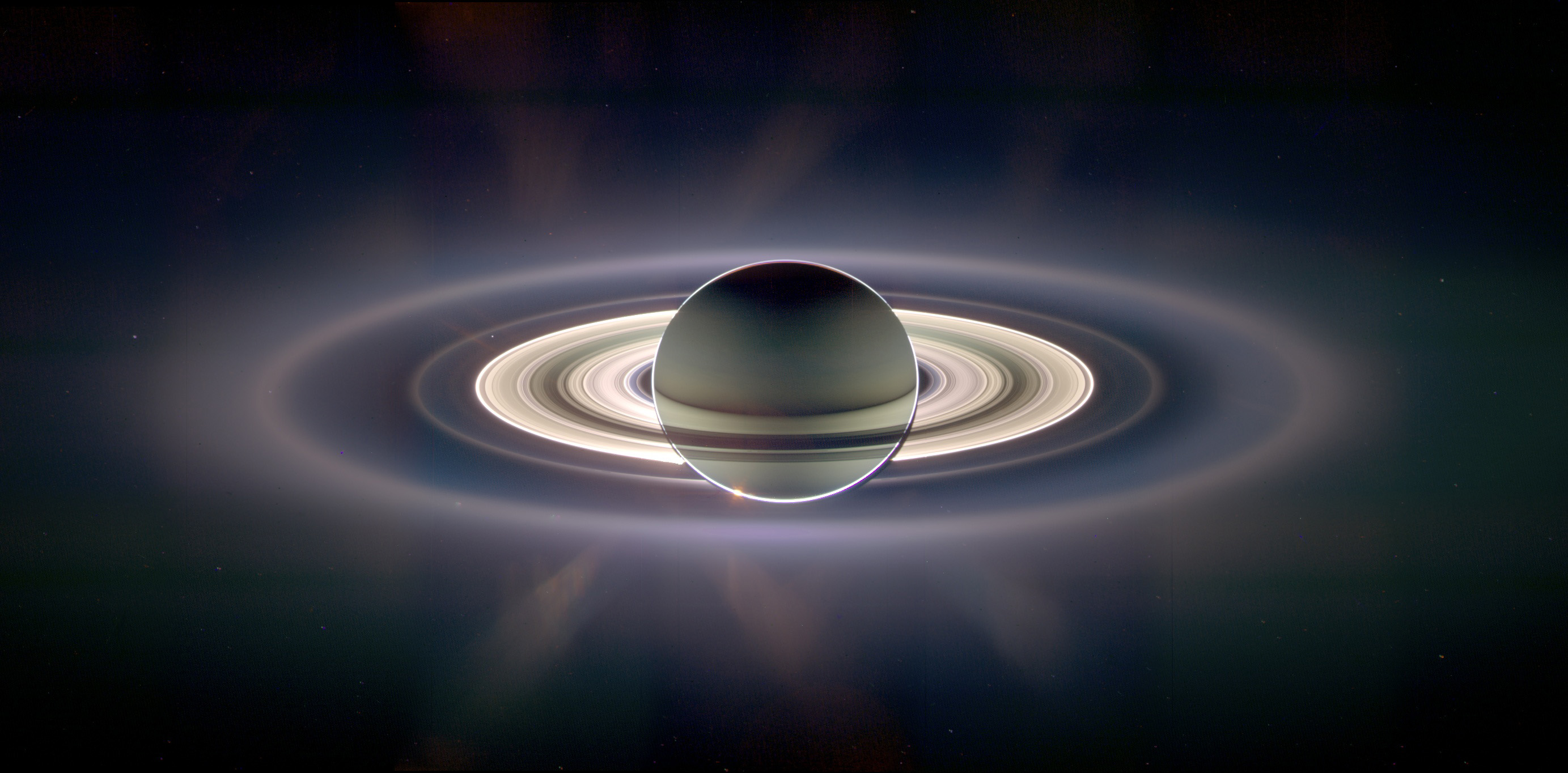
In the shadow of Saturn, unexpected wonders appear. The robotic Cassini spacecraft now orbiting Saturn recently drifted in giant planet's shadow for about 12 hours and looked back toward the eclipsed Sun. Cassini saw a view unlike any other. First, the night side of Saturn is seen to be partly lit by light reflected from its own majestic ring system. Next, the rings themselves appear dark when silhouetted against Saturn, but quite bright when viewed away from Saturn, slightly scattering sunlight, in this exaggerated color image. Saturn's rings light up so much that new rings were discovered, although they are hard to see in the image. Seen in spectacular detail, however, is Saturn's E ring, the ring created by the newly discovered ice-fountains of the moon Enceladus and the outermost ring visible above. Far in the distance, at the left, just above the bright main rings, is the almost ignorable pale blue dot of Earth.
(Click on the link below to make the picture large enough so that you can see where you are....Earth!)
http://apod.nasa.gov/apod/image/0901/newrings_cassini_big.jpg


Stanley :)

Stanley :)